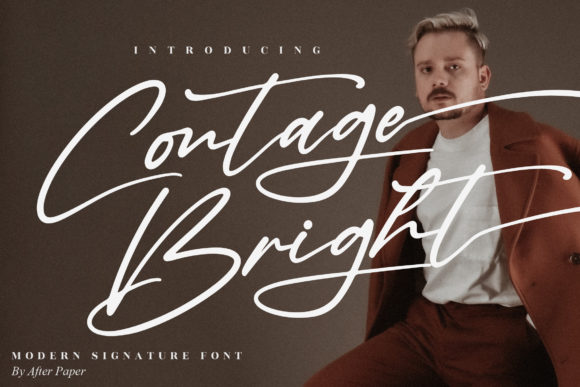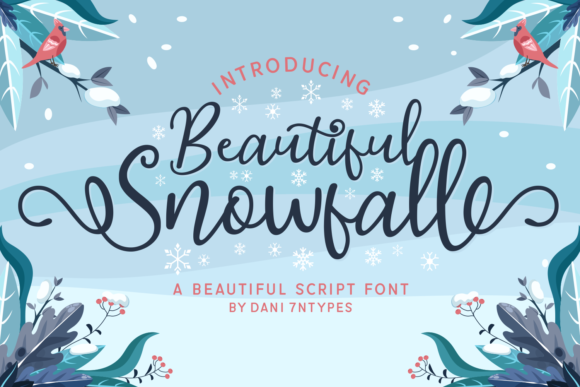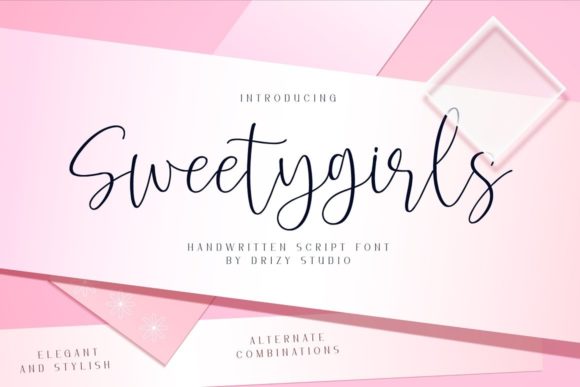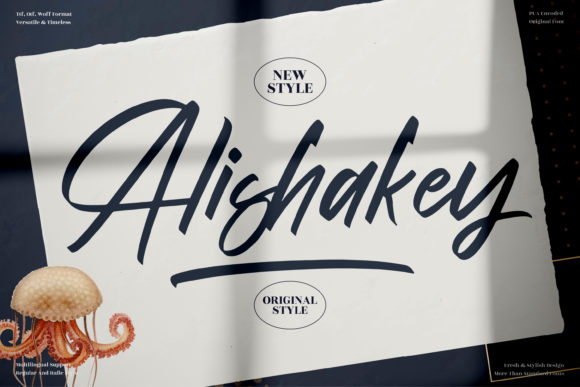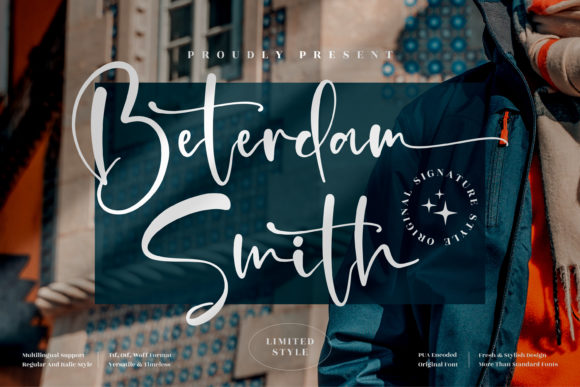
Beterdam Smith Font Review
As a small business owner, I’ve learned that even the smallest details can make a big difference. One day, while updating my bakery’s packaging, I found myself searching for a font that could bring a fresh, friendly feel to our labels without sacrificing professionalism. That’s when I discovered Beterdam Smith—a script font that feels like it was made for businesses looking to stand out with a touch of personality.
What Is Beterdam Smith?
Beterdam Smith is a script font that exudes charm and playfulness. Its characters flow smoothly, with a light, almost dancing quality that gives it a unique visual rhythm. It’s not overly ornate, but it has just enough flair to catch the eye without overwhelming the reader. This makes it ideal for businesses that want to add a personal touch to their branding while maintaining a clean and professional look.
When I first saw Beterdam Smith, I was struck by how it felt both modern and nostalgic at the same time. It’s perfect for brands that want to communicate warmth and creativity without being too casual or too formal.
Real-World Use Cases
I tested Beterdam Smith on several real-life projects, from bakery boxes to skincare labels. One of the most impactful uses was on a candle seller’s label. The font added a soft, inviting tone that matched the product’s calming vibe. It also worked well on a café menu, where it gave the headings a handcrafted feel without making the text hard to read.
Another project involved creating a new set of thank-you cards for an online shop. Using Beterdam Smith for the main text made the cards feel more personal and thoughtful. It’s also great for Instagram graphics, where its flowing style adds visual interest without distracting from the message.
Best Uses for Beterdam Smith
Beterdam Smith shines in display settings—headlines, logos, packaging titles, and decorative accents. It’s less suited for body text due to its intricate details, which can reduce readability on smaller screens or printed materials. However, when used strategically, it can elevate a brand’s visual identity in a way that feels authentic and cohesive.
For example, using Beterdam Smith as a logo font can give a brand a distinctive, memorable look. Pairing it with a clean sans serif font like Helvetica or Arial helps balance its elegance with clarity. This combination works well for everything from website banners to business cards.
It’s also a good choice for product tags and stickers, where its playful nature can add a sense of whimsy. Just be sure to keep the text short and the size large enough for easy reading.
Design Tips and Considerations
When using Beterdam Smith, consider the context. For printed materials like packaging or labels, test the font at different sizes to ensure it remains legible. On mobile screens, avoid using it for long paragraphs—stick to headlines or short phrases.
Also, check the font’s file formats and licensing before using it for commercial purposes. Make sure it includes all necessary weights and styles, especially if you plan to use it across multiple design projects. Multilingual support is another important factor if your business serves a diverse audience.
One thing I appreciate about Beterdam Smith is its versatility. It can work in a variety of design scenarios, from editorial layouts to social media templates. Its character set includes alternates and ligatures, which can help create more polished and refined typography when used in logos or headlines.
Why Typography Matters for Small Businesses
Typography isn’t just about aesthetics—it’s about communication. The right font can influence how customers perceive a brand, affecting trust, engagement, and even sales. A well-chosen typeface can make a business feel more professional and consistent, which is crucial for building brand recognition.
Using Beterdam Smith thoughtfully can help a small business stand out in a crowded market. It adds a layer of personality that can differentiate a brand from competitors who rely on generic, overused fonts. At the same time, it maintains a level of sophistication that appeals to a wide range of customers.